
Dr. Safiuddin Nadwi

Category: Orthopedic

February 16, 2026 by admin 0 Comments

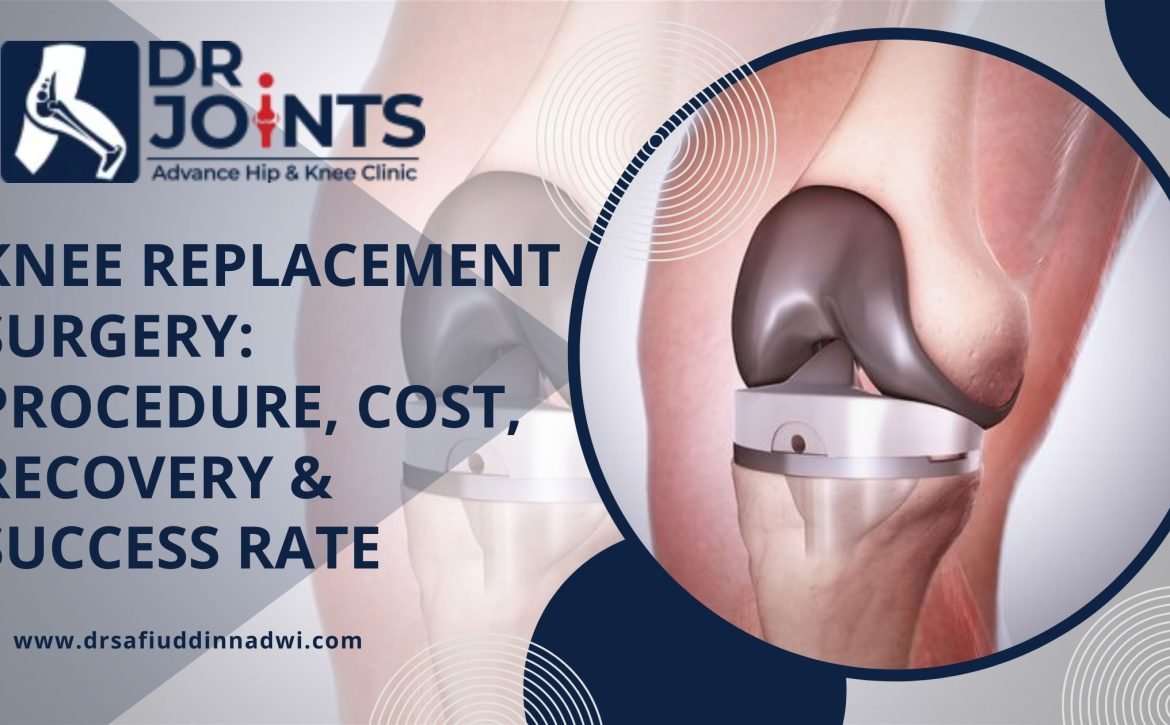
Knee Replacement Surgery: Procedure, Cost, Recovery & Success Rate

Knee pain can significantly affect your daily life, mobility, and overall quality of life. For many individuals, persistent knee pain caused by arthritis, injury, or wear-and-tear can make simple activities like walking, climbing stairs, or even sitting for long periods challenging. Knee replacement surgery offers a long-term solution for those whose knees have deteriorated beyond conservative treatments.

In this blog, we will explore the knee replacement procedure, types, costs, recovery process, success rates, risks, and how to choose the best knee replacement surgeons near you.

Understanding the Knee Joint & Why Replacement Is Needed

The knee joint is one of the largest and most complex joints in the body. It consists of:

  • Bones: Femur (thigh bone), tibia (shin bone), and patella (kneecap).
  • Cartilage: Smooth tissue covering the ends of bones, allowing pain-free movement.
  • Ligaments: Provide stability and connect bones together.
  • Meniscus: Shock-absorbing cartilage that cushions the joint.

Arthritis, particularly osteoarthritis and rheumatoid arthritis, gradually damages the cartilage, causing bone-on-bone friction, pain, swelling, and stiffness.

Early-stage knee problems may be managed with medications, injections, physiotherapy, or lifestyle modifications. However, advanced joint damage often requires knee replacement surgery to restore mobility and reduce pain.

What Is Knee Replacement Surgery?

Knee replacement surgery, also called knee arthroplasty, involves removing the damaged portions of the knee and replacing them with artificial implants made of metal, plastic, or ceramic materials.

Unlike joint preservation treatments such as cartilage repair or partial procedures, knee replacement provides long-lasting relief for severely damaged joints. The new artificial joint restores alignment, improves mobility, and significantly reduces pain.

Conditions That Require Knee Replacement Surgery

Knee replacement is usually recommended for the following conditions:

  1. Osteoarthritis: The most common reason for knee replacement. It occurs due to wear-and-tear over time.
  2. Rheumatoid Arthritis: Autoimmune inflammation causes joint damage and deformity.
  3. Post-Traumatic Arthritis: Arthritis developing after a serious knee injury.
  4. Failed Previous Knee Surgeries: Previous surgeries may not restore full function, leading to replacement.

Symptoms That Indicate You May Need Knee Replacement

You may be a candidate for knee replacement if you experience:

  • Persistent knee pain, even at rest or during sleep.
  • Severe stiffness and knee deformity.
  • Difficulty walking long distances or climbing stairs.
  • Reduced ability to perform daily activities, affecting your quality of life.

Types of Knee Replacement Surgery

1. Total Knee Replacement (TKR)

The most common and widely recommended procedure. In total knee replacement, the entire damaged knee joint is replaced with an artificial implant.
Best suited for: Severe osteoarthritis or extensive joint damage.

2. Partial Knee Replacement

Also called unicompartmental knee replacement, only the damaged portion of the knee is replaced.
Advantages: Less invasive, quicker recovery, preserves healthy bone and tissue.
Limitations: Not suitable if arthritis affects multiple compartments of the knee.

3. Full Knee Replacement

Similar to total knee replacement but may refer to cases where more durable or high-performance implants are used. Ensures full coverage of the knee surface for long-term functionality.

4. Revision Knee Replacement Surgery

Performed when a previous knee replacement fails due to implant loosening, infection, or mechanical issues. Revision surgery is more complex and requires an experienced surgeon.

Knee Replacement Surgery Procedure – Step by Step

Pre-Surgery Preparation

Before surgery, patients undergo:

  • Diagnostic tests: X-rays, MRI, and blood tests to assess joint damage.
  • Fitness clearance: Evaluation of heart, lung, and general health to ensure safe anesthesia.
  • Surgical planning: Surgeons select the right implant type and size.

During the Surgery

  • Anesthesia: Either general anesthesia (patient asleep) or spinal anesthesia (numb from waist down).
  • Damaged bone and cartilage removal: Precise removal ensures a perfect fit for the implant.
  • Implant positioning: Metal and plastic components are carefully aligned for natural knee movement.

After the Surgery

  • Pain control: Medications and regional blocks help manage post-operative pain.
  • Early mobilization: Patients are encouraged to walk with support soon after surgery to prevent stiffness.
  • Physiotherapy: Begins within 24–48 hours to restore motion and strength.

Advanced Techniques in Knee Replacement Surgery

Modern knee replacement procedures use advanced techniques for precision and faster recovery:

  • Minimally invasive knee replacement: Smaller incisions reduce tissue damage and improve healing.
  • Computer-assisted surgery (CAS): Guides accurate implant placement for better alignment.
  • Robotic knee replacement: High precision, personalized joint replacement, and improved outcomes.

Benefits: Reduced pain, quicker recovery, improved joint function, and higher long-term success rates.

Knee Replacement Surgery Cost in India

The cost of knee replacement surgery in India varies based on several factors, including the type of implant, type of surgery, and hospital category. Here’s a clear breakdown:

Factors Affecting Cost:

  • Type of Implant: Standard vs. premium implants. Premium implants last longer and provide better performance.
  • Type of Surgery: Total knee replacement, partial knee replacement, or revision knee replacement.
  • Hospital Category: Multi-specialty private hospitals, corporate hospitals, or government hospitals.

Average Cost Range in India:

  • ₹1,50,000 – ₹4,00,000 per knee
  • This usually includes: surgeon fees, hospital charges, implants, anesthesia, and post-operative care.

⚠️ Important Note: Cheaper options may compromise implant quality or surgical expertise, affecting long-term results. Always prioritize safety, quality implants, and experienced surgeons.

Contact Dr. Safiuddin Nadwi for Expert Knee Replacement Surgery

If you are considering knee replacement surgery, consult an experienced orthopedic surgeon to get a personalized treatment plan and safe surgery.

Dr. Safiuddin Nadwi specializes in:

  • Total & Partial Knee Replacement
  • Minimally Invasive & Robotic-Assisted Knee Surgery
  • Faster Recovery & Patient-Centered Care

Reach out today to schedule a consultation and learn about the most suitable knee replacement options for you

Recovery After Knee Replacement Surgery

Immediate Recovery (First Week)

  • Pain management with medications and ice therapy.
  • Walking with a walker or crutches.
  • Early physiotherapy to prevent stiffness and blood clots.

Short-Term Recovery (1–3 Months)

  • Gradual improvement in knee movement.
  • Reduced pain and swelling.
  • Increased independence in daily activities.

Long-Term Recovery (3–6 Months & Beyond)

  • Most patients return to normal daily activities.
  • High-impact sports should be avoided; low-impact exercises like walking, swimming, and cycling are recommended.
  • Lifestyle adjustments and regular physiotherapy ensure long-term joint health.

Physiotherapy & Exercises After Knee Replacement

Rehabilitation is critical for successful recovery:

  • Supervised therapy vs. home exercises: Both are effective, but regular guidance ensures correct movement patterns.
  • Mistakes to avoid: Avoid overstraining, sitting cross-legged, or lifting heavy weights too early.
  • Goal: Restore strength, flexibility, and confidence in the knee joint.

Success Rate of Knee Replacement Surgery

Knee replacement surgery has a high success rate:

  • Pain relief: 90–95% of patients report significant reduction in knee pain.
  • Implant lifespan: Modern implants last 15–20 years on average.
  • Factors affecting success: Surgeon experience, patient compliance with rehabilitation, and quality of physiotherapy.

Risks & Complications of Knee Replacement Surgery

Although knee replacement surgery is safe, complications can occur:

  • Infection: Rare but serious; requires prompt treatment.
  • Blood clots: Prevented with medications and early mobilization.
  • Implant loosening or wear: May require revision surgery.

Expert surgeons minimize risks through strict sterilization, precise implant placement, and careful post-operative care.

Life After Knee Replacement Surgery

Post-surgery, patients can enjoy improved mobility and quality of life:

  • Walking, sitting, and climbing stairs are generally possible.
  • High-impact sports and heavy labor are discouraged.
  • Return to work and travel is possible within a few months, depending on job type.

Choosing the Best Knee Replacement Surgeons

Selecting the best knee replacement surgeons near you is crucial for successful outcomes:

  • Look for experienced orthopedic surgeons with specialized training in joint replacement.
  • Ask about the surgeon’s success rates, complication rates, and post-operative care protocols.
  • Ensure proper follow-up and physiotherapy guidance.

Expert Knee Replacement Care by Dr. Safiuddin Nadwi

Dr. Safiuddin Nadwi is a leading orthopedic surgeon specializing in knee replacement surgery.

  • Extensive experience in total and partial knee replacement.
  • Focuses on minimally invasive and robotic-assisted procedures.
  • Prioritizes safe surgery, faster recovery, and patient satisfaction.

Patients under Dr. Nadwi’s care receive personalized treatment plans for optimal outcomes.

Conclusion

Knee replacement surgery offers a life-changing solution for patients with severe arthritis or joint damage. It relieves pain, restores mobility, and improves the quality of life. Early consultation with an experienced orthopedic surgeon ensures the best results.

If you are struggling with persistent knee pain or stiffness, don’t wait—seek expert care from the best knee replacement surgeons near you and take the first step toward pain-free movement.

    February 12, 2026 by admin 0 Comments

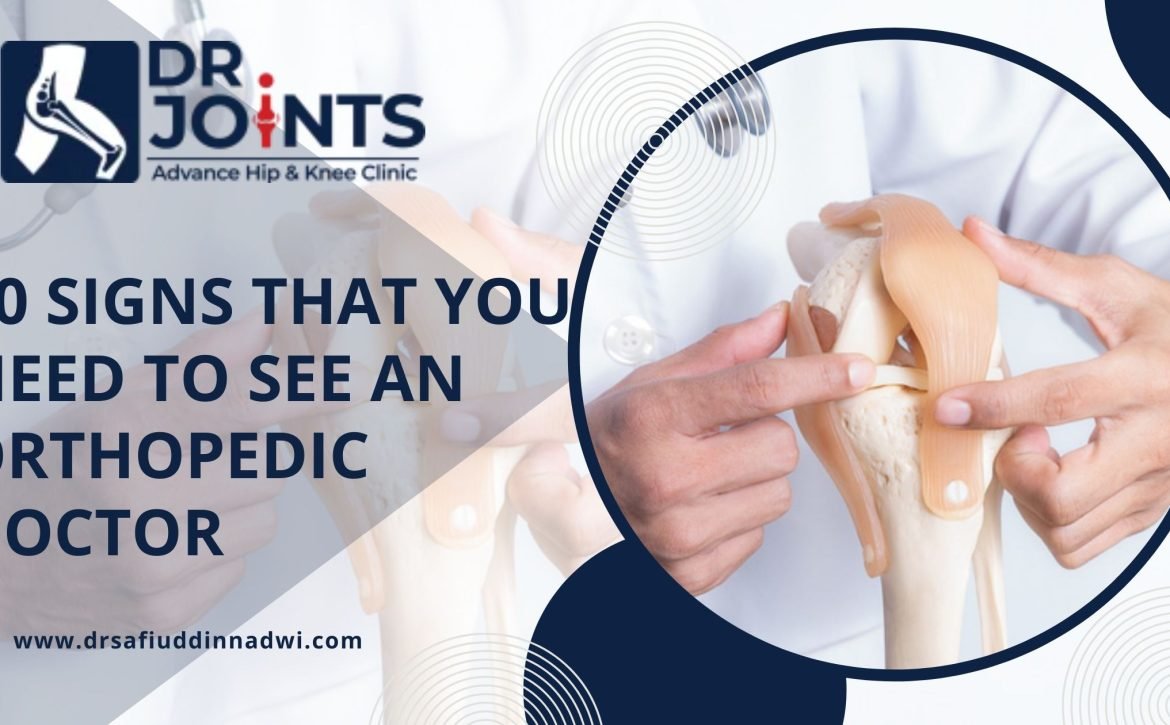
    10 Signs That You Need To See An Orthopedic Doctor

    Comprehensive guide for joint, bone, and muscle health in Mumbai

    Bone, joint, and muscle problems are becoming increasingly common across all age groups. Modern lifestyles contribute significantly to these issues. Factors such as a sedentary lifestyle, long working hours, poor posture, sports injuries, and aging can lead to joint pain, back problems, and muscle weakness.

    Many people delay visiting an orthopedic doctor because they are unsure when it is necessary. Some rely on home remedies, painkillers, or physiotherapy before consulting a specialist. Unfortunately, this delay can result in chronic pain, reduced mobility, permanent joint damage, or the need for more complex treatments later.

    This blog explains ten important warning signs that indicate the need to consult an orthopedic specialist in Mumbai. We’ll also discuss common conditions, what happens during a consultation, preventive tips, and the detailed benefits of early orthopedic treatment.

    Sign #1: Persistent Joint Pain That Does Not Improve

    Joint pain lasting more than one or two weeks is a common reason to see an orthopedic doctor. The knees, hips, shoulders, elbows, and ankles are most frequently affected. Pain may increase with movement, weight-bearing activities, or even interfere with sleep and daily routines.

    Causes of persistent joint pain include:

    • Osteoarthritis – cartilage wears down over time, leading to pain and stiffness.
    • Rheumatoid arthritis – an autoimmune condition causing joint inflammation.
    • Ligament or tendon injuries – such as ACL tears, rotator cuff injury, or tendonitis.
    • Bursitis – inflammation of fluid-filled sacs that cushion the joints.
    • Post-traumatic joint problems – resulting from previous injuries.

    Tip: Early consultation with a joint doctor or bone specialist can prevent permanent damage and improve joint function. Non-surgical treatments like physiotherapy or joint injections are often more effective when started early.

    Sign #2: Difficulty Walking, Standing, or Performing Daily Activities

    If you experience difficulty with routine movements like walking, standing, climbing stairs, or getting out of a chair, it may indicate a serious orthopedic problem. Symptoms such as limping, imbalance, or leg weakness are also warning signs.

    Common causes include:

    • Knee arthritis – reduced cartilage leads to pain while walking or climbing stairs.
    • Hip disorders – osteoarthritis or labral tears can affect mobility.
    • Spine-related nerve compression – herniated discs or spondylosis can weaken leg muscles.

    Tip: If you notice a loss of strength in your legs or joints, it’s a clear indication that you should visit an orthopedic specialist.

    Sign #3: Swelling, Stiffness, or Inflammation in Joints

    Persistent swelling, tenderness, warmth, or redness in joints is a warning sign. Morning stiffness lasting more than 30–60 minutes can indicate rheumatoid arthritis, gout, bursitis, or tendon inflammation.

    Additional signs to watch for:

    • Swelling that worsens after activity
    • Limited range of motion in affected joints
    • Pain that eases slightly with rest but returns

    Tip: Early joint pain treatment helps prevent joint deformity, maintain flexibility, and allow normal daily activity.

    Sign #4: Chronic Back or Neck Pain

    Back and neck pain are among the most common musculoskeletal complaints. While occasional soreness may be due to poor posture or muscle strain, chronic pain lasting several weeks is a red flag.

    Symptoms that require attention:

    • Pain radiating to arms or legs
    • Tingling, numbness, or burning sensations
    • Muscle weakness or reduced grip strength

    Common causes:

    • Slipped or herniated discs
    • Cervical or lumbar spondylosis
    • Sciatica – nerve compression causing pain down the legs
    • Posture-related spine problems

    Early evaluation by a back pain specialist or orthopedic surgeon can prevent complications such as permanent nerve damage or reduced mobility.

    Sign #5: Pain or Injury After a Fall, Accident, or Trauma

    Pain, swelling, or deformity after falls, road accidents, or sports injuries requires urgent attention. Injuries may include:

    • Fractures (broken bones)
    • Ligament or tendon tears
    • Joint dislocations

    Tip: Immediate assessment at an orthopedic hospital is essential. Early treatment ensures proper healing, prevents deformities, and reduces long-term disability.

    Sign #6: Sports Injury That Is Not Healing Properly

    Active individuals or athletes are prone to sports-related injuries such as:

    • ACL tears
    • Meniscus injuries
    • Tennis elbow or golfer’s elbow
    • Rotator cuff injuries
    • Muscle strains or sprains

    Warning signs:

    • Persistent pain despite rest, medication, or physiotherapy
    • Recurring injuries in the same joint
    • Joint instability during physical activity

    Consulting a sports injury doctor or orthopedic specialist ensures proper diagnosis, treatment, and rehabilitation to prevent chronic problems.

    Sign #7: Limited Range of Motion in Joints

    Difficulty bending, straightening, or rotating a joint can indicate structural problems. Common issues include:

    • Cartilage damage
    • Frozen shoulder (adhesive capsulitis)
    • Joint degeneration

    Other signs include joint locking, clicking, or catching, making daily activities like dressing, cooking, or lifting objects difficult. Timely orthopedic evaluation can prevent permanent stiffness and restore function.

    Sign #8: Visible Bone Deformity or Abnormal Shape

    Changes in bone alignment or joint structure, such as bent fingers, crooked knees, uneven shoulders, or unequal leg length, are a serious warning sign.

    Possible causes:

    • Improper fracture healing
    • Advanced arthritis
    • Bone disorders or diseases

    Early assessment by a bone specialist can prevent worsening deformities and improve long-term function.

    Sign #9: Joint Pain With Fever, Redness, or Warmth

    Joint pain accompanied by fever may indicate joint infection (septic arthritis) or severe inflammatory arthritis. Symptoms include:

    • Swelling
    • Redness
    • Warmth around the joint
    • Severe pain with restricted movement

    Urgent orthopedic consultation is necessary to prevent permanent joint damage and control infection.

    Sign #10: Pain Not Relieved by Medication or Physiotherapy

    Persistent pain that affects sleep, work, or daily life despite medication or physiotherapy indicates a deeper problem. Advanced diagnostics like X-rays, MRI, CT scans, or blood tests may be required to determine the cause.

    A specialized orthopedic doctor can provide a personalized treatment plan tailored to your condition.

    Risk Factors for Orthopedic Problems

    Certain factors increase the likelihood of developing bone, joint, and muscle issues:

    • Age: Older adults are more prone to arthritis, osteoporosis, and degenerative joint conditions.
    • Sedentary lifestyle: Lack of exercise weakens muscles and increases joint stiffness.
    • Obesity: Excess weight puts pressure on joints, especially knees and hips.
    • Sports activities: High-impact sports can cause ligament and tendon injuries.
    • Occupational hazards: Jobs requiring repetitive movements or prolonged sitting can lead to musculoskeletal problems.
    • Poor posture: Leads to spine issues and chronic back pain.

    Conditions Commonly Treated by an Orthopedic Doctor

    Orthopedic specialists in Mumbai manage a wide variety of conditions:

    • Arthritis and degenerative joint diseases
    • Fractures and trauma-related injuries
    • Spine disorders such as slipped discs and spondylosis
    • Sports injuries including ACL, meniscus, and shoulder injuries
    • Ligament and tendon injuries
    • Joint replacement surgery (hip, knee, shoulder)
    • Osteoporosis and bone health disorders
    • Carpal tunnel syndrome and nerve compression

    Preventive Tips to Avoid Orthopedic Problems

    1. Exercise regularly: Low-impact exercises like walking, swimming, and yoga strengthen muscles and joints.
    2. Maintain a healthy weight: Reduces pressure on knees, hips, and spine.
    3. Practice good posture: Helps prevent back and neck pain.
    4. Warm-up before sports: Prevents ligament and tendon injuries.
    5. Use ergonomic furniture: Reduces strain on spine and joints.
    6. Eat a balanced diet: Foods rich in calcium, vitamin D, and protein support bone and muscle health.

    What Happens During an Orthopedic Consultation

    1. Medical history evaluation:
    The doctor asks about pain duration, severity, triggers, past injuries, and lifestyle habits.

    2. Physical examination:
    Checks joint range of motion, posture, gait, swelling, deformities, and muscle strength.

    3. Diagnostic tests:
    May include X-rays, MRI, CT scans, ultrasound, or blood tests.

    4. Personalized treatment plan:
    Treatment options may include medications, physiotherapy, injections, lifestyle modifications, or surgery.

    Benefits of Early Orthopedic Treatment 

    Seeking early orthopedic care can make a significant difference in recovery, long-term joint health, and overall quality of life.

    1. Faster Pain Relief and Recovery

    Early intervention allows orthopedic doctors to identify the root cause of pain and start appropriate treatment quickly. For example:

    • Early-stage arthritis patients may experience immediate relief from anti-inflammatory medications or joint injections.
    • Sports injuries like ligament sprains or tendon strains heal faster with physiotherapy or braces.

    By addressing problems early, patients avoid prolonged pain, reduce reliance on painkillers, and return to daily activities sooner.

    2. Prevention of Long-Term Joint Damage

    Delayed treatment can allow joint degeneration, cartilage wear, or ligament injury to worsen. Early care helps preserve joint structure and function:

    • Anti-inflammatory treatments or injections prevent arthritis progression.
    • Early surgery or minimally invasive procedures can correct deformities before permanent damage occurs.
    • Rehabilitation ensures joints maintain flexibility and strength, reducing future complications.

    3. Reduced Chances of Surgery

    Many orthopedic conditions can be managed non-surgically if detected early:

    • Physiotherapy, lifestyle changes, and medications can treat mild arthritis, minor fractures, or tendonitis.
    • Minimally invasive procedures like arthroscopy address joint issues before they worsen.

    Early care reduces the need for complex surgeries, which are more costly, involve longer recovery, and carry higher risks.

    4. Improved Mobility and Independence

    Pain, stiffness, or joint instability can restrict your ability to perform daily tasks. Early orthopedic treatment helps restore strength, range of motion, and balance:

    • Patients regain the ability to walk, climb stairs, lift objects, and perform work or household activities comfortably.
    • Reduced pain and better joint function help prevent falls and injuries, especially in older adults.

    5. Better Overall Quality of Life

    When pain is managed and joints are healthy, patients experience improvements in:

    • Sleep quality – chronic pain often disrupts rest; early treatment reduces nighttime discomfort.
    • Mental health – living without constant pain reduces stress and anxiety.
    • Physical activity – patients can participate in hobbies, sports, and social activities.
    • Work productivity – early treatment prevents long-term disability that may affect employment.

    Conclusion

    Persistent joint pain, swelling, limited mobility, sports injuries, or deformities are clear signs that you should see an orthopedic doctor in Mumbai. Early consultation ensures accurate diagnosis, effective treatment, and long-term joint, bone, and muscle health.

    Remember: Early action leads to faster recovery, preserved mobility, and better quality of life. Don’t wait for pain to worsen — prioritize your orthopedic health today.